Introduction
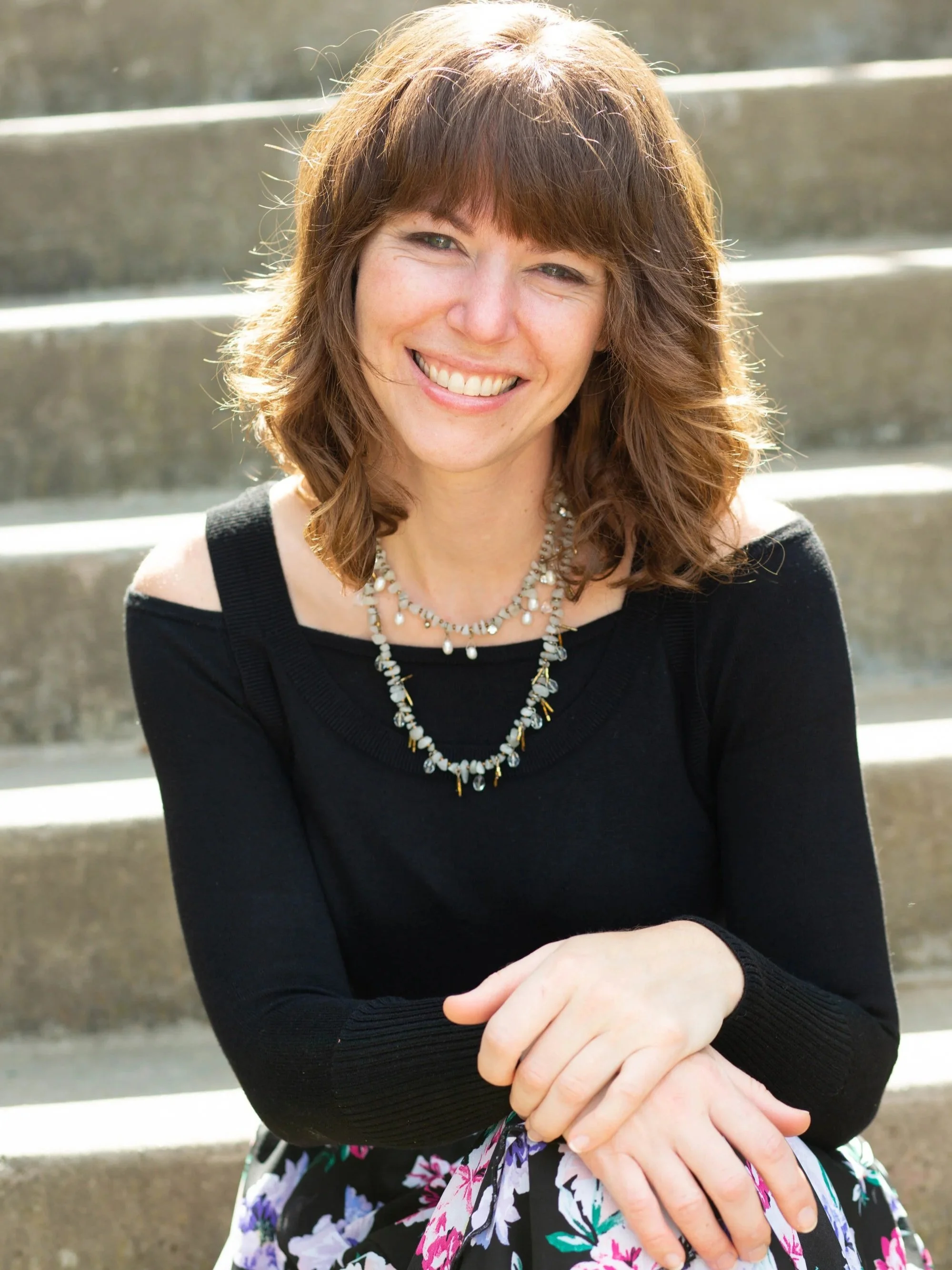
If you’re living with trauma and neurodivergence—such as ADHD, autism, or being a highly sensitive person (HSP) or empath—you may feel overwhelmed, emotionally intense, or stuck in patterns that don’t change, even with insight.
Many of my clients are deeply perceptive and self-aware, yet continue to struggle with anxiety, attention difficulties, attachment wounds, or nervous system dysregulation and burn out. Traditional therapy often focuses on managing symptoms, but doesn’t always address how trauma and neurodivergence interact at a deeper level.
My work is designed for neurodivergent adults who want more than coping strategies.
Using a somatic and Internal Family Systems (IFS)–informed approach, we focus on understanding and transforming the internal processes that drive distress—so your system can function with greater ease, clarity, and stability.
This is a collaborative, depth-oriented process. Over time, many clients experience lasting changes in how they relate to themselves—moving from survival and overwhelm toward a greater sense of alignment, regulation, and self-trust.
A little bit about me
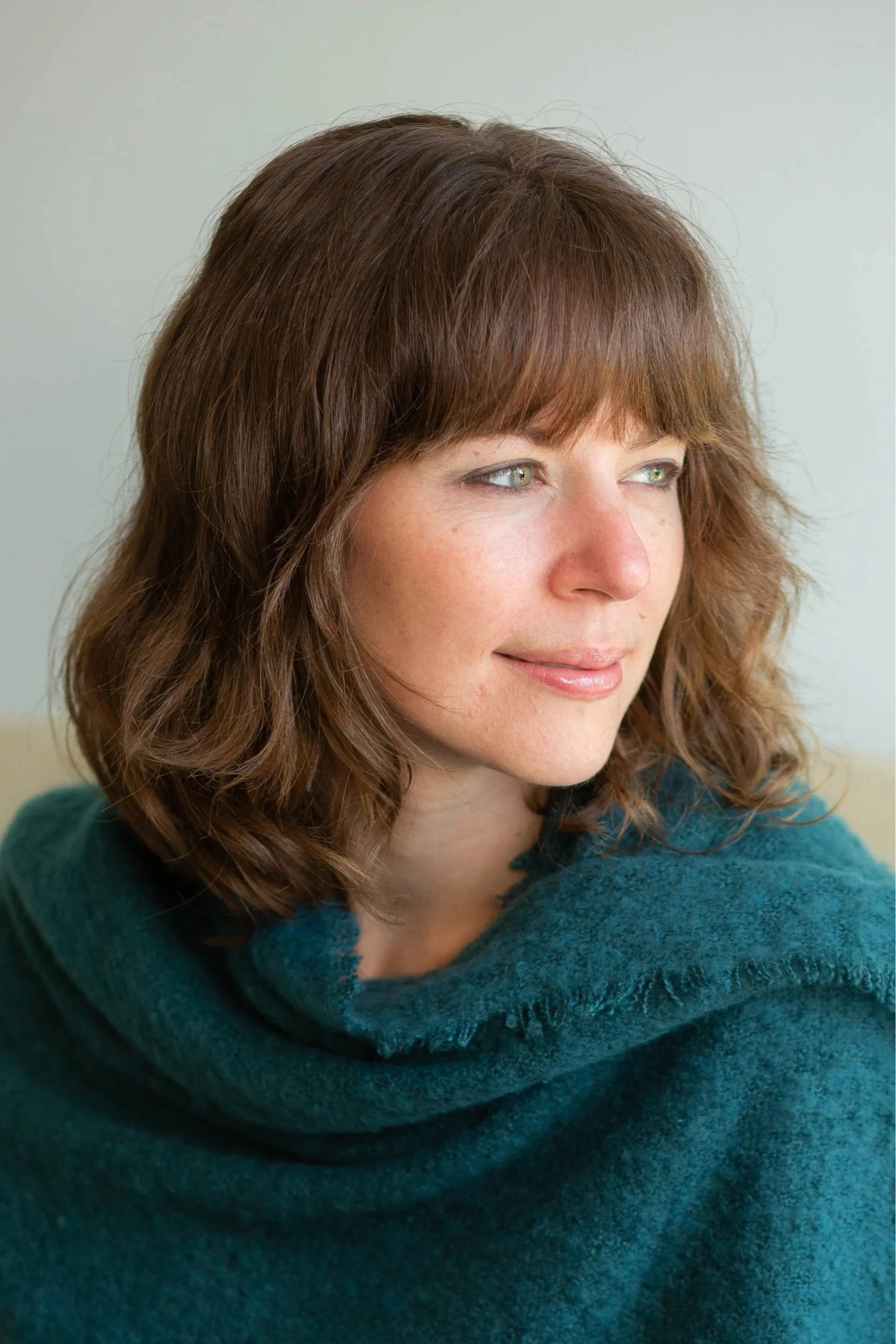
I believe it can be helpful to know something about your therapist, especially when the work involves trauma, neurodivergence, and deep internal change.
I grew up with undiagnosed ADHD and traits of what is now understood as being a highly sensitive person (HSP). Like many neurodivergent individuals, I experienced the world with a heightened level of emotional and sensory awareness, without always having the tools to understand or regulate it.
In my early 20s, I went through a difficult period that led me to explore meditation and the mind more seriously. I began a daily practice within the Shambhala Buddhist lineage and later studied multiple contemplative traditions, including Dzogchen and other nondual approaches. These systems deeply inform my work today, particularly in how I help clients relate to identity, awareness, and internal experience.
Before becoming a therapist, I explored a wide range of life paths—from music and creative work to teaching and service roles—which gave me a broad understanding of different environments and ways of being. In 2011, I entered the Master of Social Work program at San Diego State University and began working clinically with adults experiencing severe mental illness and homelessness.
I later worked as a trauma therapist in Los Angeles, providing trauma-informed care to children and families using Trauma-Focused Cognitive Behavioral Therapy (TF-CBT) and mindfulness-based approaches. Over time, I transitioned to working with adults, including professionals in high-demand fields such as the tech industry, where issues like burnout, anxiety, and nervous system dysregulation are common—especially among neurodivergent individuals, including those with ADHD, autism, and high sensitivity.
My current approach integrates somatic work and Internal Family Systems (IFS) therapy with nondual and mindfulness-based practices. This allows me to work not only with trauma, but also with the internal structures of neurodivergence itself—supporting clients in developing greater regulation, clarity, and self-trust.
Outside of my clinical work, I am a musician and play Balkan and Turkish violin. Creativity, humor, and expression are an important part of how I understand healing, and they continue to shape the collaborative, flexible, and deeply attuned environment I aim to create for my clients.